Debunking Common Myths and Facts About Life in Singapore

Singapore often sparks curiosity and assumptions among travellers and newcomers. Some of these assumptions are true, but many are myths that can mislead visitors or newcomers. This post clears up common misconceptions about Singapore’s food, culture, rules, and social etiquette, while sharing practical facts to help you navigate life in this vibrant city-state with confidence.
Common Myths About Food, Culture, and Rules
Myth: Singapore is expensive and you can’t eat well on a budget
Many believe that Singapore is too costly for affordable, tasty meals. The truth is, hawker centres offer a wide variety of delicious local dishes for just S$3 to S$6. Popular choices include laksa, a spicy coconut noodle soup; chicken rice, a fragrant and simple dish; and char kway teow, stir-fried flat rice noodles. These centres are a great way to enjoy authentic flavours without breaking the bank.
Myth: Singaporeans are unfriendly
Singaporeans may appear reserved or quiet initially, but they are generally polite and helpful when approached. It’s common for locals to assist with directions or recommendations if you ask. The culture values respect and courtesy, so friendliness is often shown through actions rather than loud greetings.
Myth: Public transport stops after 10 PM
Contrary to this belief, Singapore’s MRT trains and buses operate until midnight or later on weekdays. Some bus services even run overnight, making it convenient to travel late at night. This extensive public transport network is reliable and affordable, supporting the city’s fast-paced lifestyle.
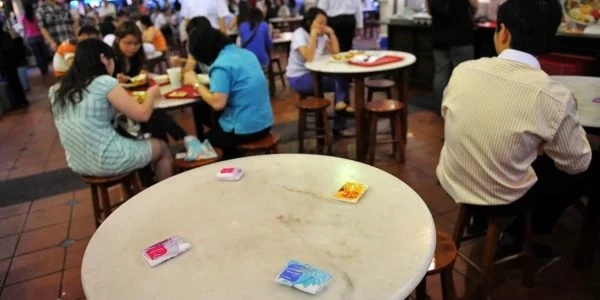
Myth: People randomly leave tissues on tables — is that rude?
This practice is known as “chope culture”, a local way to reserve seats at food centres. Instead of standing in line or waiting, people place items like tissue packets on tables to mark their spot. It’s widely accepted and understood, so don’t mistake it for carelessness or rudeness.
Myth: There are no rules for escalators
Singaporeans follow a clear unspoken rule on escalators: stand on the left, walk on the right. This helps keep foot traffic smooth and efficient, especially during rush hours. Visitors should observe and follow this etiquette to blend in and avoid blocking others.
Myth: You can leave your tray after eating at hawker centres
Unlike some countries where leaving trays is common, Singapore expects diners to return their trays and clear their tables after eating. This practice helps maintain cleanliness and supports hawker centre staff in managing busy crowds.
Myth: Eating small snacks on public transport is okay
Eating and drinking are prohibited on MRT trains and buses. This rule keeps public transport clean and comfortable for all passengers. If you need a snack, it’s best to finish it before boarding or wait until you reach your destination.
Myth: Chewing gum is completely banned
Chewing gum is allowed for personal use but selling or importing it is restricted. This policy helps maintain cleanliness in public spaces and prevents gum litter. Tourists should avoid bringing large quantities of gum into Singapore.
Myth: Vaping is allowed like in many countries
Vaping is illegal in Singapore and can lead to fines or penalties. The government enforces strict rules on tobacco and nicotine products to protect public health. Visitors should avoid vaping or carrying vaping devices to prevent legal trouble.
Facts About Social Etiquette, Laws, and Public Behaviour
Littering, jaywalking, and chewing gum are strictly regulated
Singapore enforces heavy fines for littering and jaywalking. These rules keep the city clean and safe. Chewing gum restrictions also contribute to public hygiene. Visitors should respect these laws to avoid penalties and show consideration for the community.
Queueing is mandatory
Singaporeans value order and fairness, so queueing patiently is expected everywhere—from bus stops to food stalls. Jumping queues is frowned upon and can cause discomfort. Following this simple rule helps maintain harmony in crowded places.
Public displays of affection are generally accepted but should be moderate
Holding hands or brief hugs are common and accepted in public. However, excessive displays of affection may attract unwanted attention or discomfort. It’s best to keep public behaviour respectful and mindful of cultural norms.
Smoking is only allowed in designated areas
Smoking is banned in most public places, including indoor venues and many outdoor spots. Designated smoking zones are clearly marked. Smokers should look for these areas to avoid fines and respect non-smokers.
Tap water is safe to drink
Singapore’s tap water meets high safety standards and is safe to drink. You can refill water bottles anywhere without worry. This convenience supports sustainability and reduces plastic waste.
In Conclusion
Singapore may seem full of myths and unfamiliar habits, but understanding the basics helps you settle in quickly and confidently. Fret not, we provide a guidebook for first-timers - from food culture to social rules, these insights will help you live like a local!
Get it here:


Comments